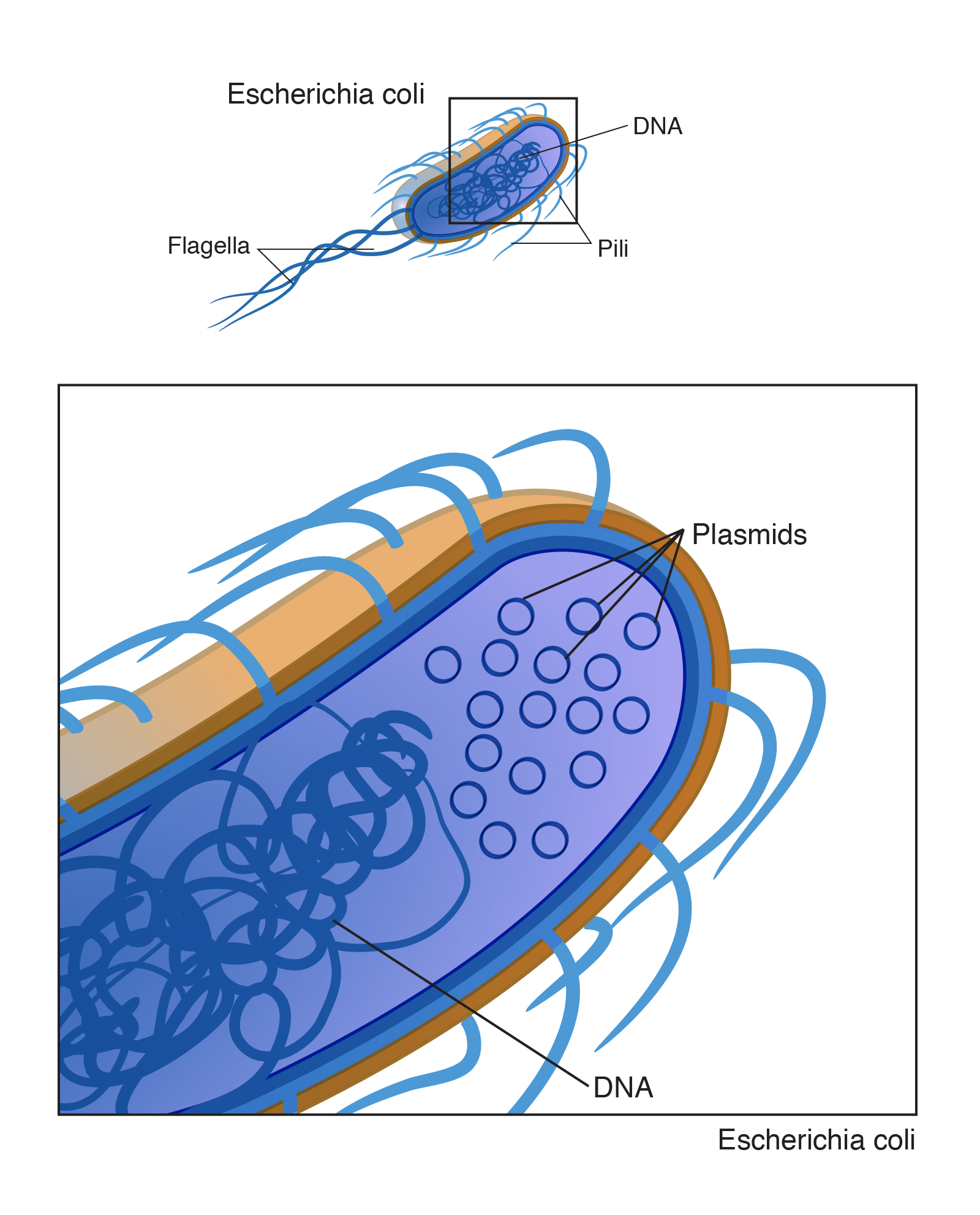
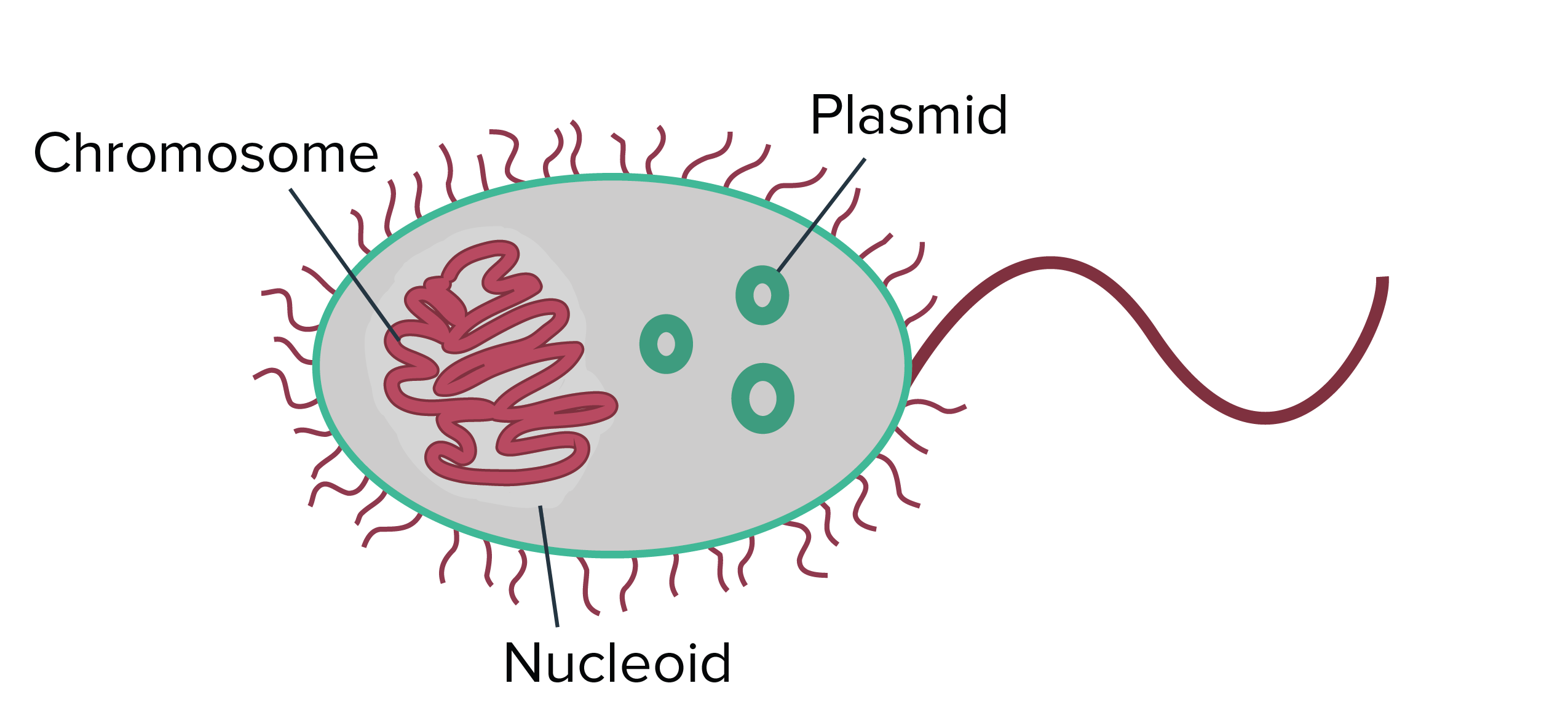
The nucleoid is an irregularly shaped region that does not have a nuclear membrane. For example circular filamentous etc.

أنواع البكتيريا Bacterial Type Bacteria Types Bacteria Shapes Microorganisms
These are the characteristics used to accurately and consistently describe the morphology of a bacterial colony.
. Bacteria are also described as aerobic anaerobic or facultative anaerobes. These terms describe how they respond to oxygen. Club-shaped Rod Bacteria i.
These cells can exist in several different arrangements that include. A perfect example is Bacillus anthracis. The size of the colony can be a useful characteristic for identification.
Coccuscocci Bacterial cells that are spherical in shape and resemble a tiny ball. Shape 3 Can be circular irregular or punctiform tiny Margin 5 FiLeR entire smooth with no irregularities. Bacteria with a box-like form or that are rectangular in shape.
Cells remain in chains after dividing. What corresponding term is used to describe bacterial cells. Convex would be close to semi-circular in cross section while raised and pulvinate colonies have shallower and deeper profiles respectively.
Elevation This describes the side view of a colony. Also include descriptive terms for any other relevant optical characteristics such as. Name a substance found in the vacuole of a plant cell.
Many bacteria need a cell. Colonies larger than about 5 mm are likely to be motile organisms. Features that distinguish a bacterial cell from a eukaryotic cell include the circular DNA of the nucleoid the lack of membrane-bound organelles the cell wall of peptidoglycan and flagella.
Prokaryotes are the proteinaceous cells which do not contain any organized ionaries or any other membrane-bound organelles in bacteria. True O False 2. Cocobaccili are a description of a bacteria.
Each distinct circular colony should represent an individual bacterial cell or group that has divided repeatedly. The term used to describe a cluster of circular bacteria is O vibrio streptococci staphylococci O streptobacilli 4. One side of these bacteria is thinner than the other.
Past Exam Short Questions MrCummins 25. Which one is the characteristic shape of bacteria. The average diameter of spherical bacteria is 05-20 µm.
Which term is not used to describe bacterial cell shapes quizlet. Color It is important to describe the color or pigment of the colony. For rod-shaped or filamentous bacteria length is 1-10 µm and diameter is 025-1 0 µm.
These are the most common. Spirilla or spirillum for a single cell are curved bacteria which can range from a gently curved shape to a corkscrew-like spiral. Corynebacterium is a well-known representative of this group.
Punctiform colonies are distinguished from circular colonies by their very small size. Bacteria are larger than human cells. Consists of small circular molecules of RNA no protein coat-Prion.
4 6 7 and 8. Instead their DNA a double strand that is continuous and circular is located in a nucleoid. Cocci or coccus for a single cell are round cells sometimes slightly flattened when they are adjacent to one another.
Spindle colonies are lens-shaped. Tiny colonies are also referred to as punctiform pin-point. Bacillusbacilli They are rod-shaped bacteria which resemble a pill.
Name a powerful type of microscope that is used to show what cells are made of in much greater detail cell ultrastructure. Each EccDNA base pairs has a different size. Cells remain in groups of four and divide in two planes.
Elevation 5 PURFC flat. Spirochaetes occasionally reach 500 µm in length and the cyanobacterium. Size of the bacterial colony.
The diameter of a representative colony may be measured in millimeters or described in relative terms such as pinpoint small medium large. Bacteria also have a cell membrane and a cell wall that is often made of peptidoglycan. Disease causing particles that do.
Extremely simple smaller than a virus. Terms in this set 6 5 basic categories of colony morphology. The circular DNA molecule eccDNA found in all eukaryotic cells is DNA that repeats as it passes through specific DNA-containing regions throughout the body.
Coli a bacillus of about average size is 11 to 15 µm wide by 20 to 60 µm long. There are no clear distinctions among raised convex and pulvinate. A coccus bacteria is a circular shaped bacteria and a bacillus bacteria are rod shaped so a cocobacilli are.
Box-shaped bacteria have a rectangular form that resembles the shape of a box. Most bacterial colonies appear white cream or yellow in color and fairly circular in shape. Bacteria are only visible with an electron microscope.
Color also known as pigmentation Texture. What Term Is Used To Describe Bacteria Cells. Bacilli or bacillus for a single cell are rod-shaped bacteria.
Spiral Bacteria that are twisted or helical in shape which looks like little corkscrews. While a majority of bacteria share these characteristics. A perfect example is the Streptococcus aureus.
Together the cell membrane and cell wall are referred to as the cell envelope. Density opaque or clear. It is also found in both coding and non-coding DNA regions.
Different types of bacteria will produce different-looking colonies some colonies may be coloured some colonies are circular in shape and others are irregular. Form what is the basic shape of the colony. Cells remain in pairs after dividing.
Size of Bacterial Cell. A specific terminology is used to describe common colony types. Coccus cocci plural bacteria are round oval or spherical in shape.
Opaque cloudy translucent iridescent. Being kept in one place the resulting cells have accumulated to form a visible patch. Shape and Arrangement Morphologically bacteria are microscopic single-celled organisms that are small in size and lack membrane bound organellesA majority of these organisms also have a cell wall and capsule that protects the inner contents of the cell where the nucleoid ribosome plasmid and cytoplasm are found.
Box-shaped Rectangular Bacteria i. Putrefying bacteria turn nitrogen proteins. Its DNA lies in a twisted thread-like mass referred to as.
What general type of stain is used to separate types of bacteria based on their ce. Putrefying bacteria is the term used to describe bacteria involved in putrefaction of living matter. Texture 3 mucoid use loop moist- wet.
Prokaryote Structure Article Khan Academy
Plasmid

Definition Of Characteristics Of Bacteria Chegg Com


0 Comments